The moment a doctor mentions surgery, anxiety tends to follow. You start thinking about recovery timelines, procedural risks, and the weeks or months spent away from the activities that matter most to you. Whether you are a dedicated athlete or navigating the physical demands of postpartum recovery, the idea of an invasive procedure feels like a significant setback.
At The Performance Project in Centennial, CO, we believe your body has a remarkable capacity for healing when given the right tools and guidance. Our goal is to provide a clear, conservative path to recovery that prioritizes movement-based care over surgical intervention.
How Physical Therapy Can Replace Surgery
Many people assume physical therapy is something you do only after surgery. In reality, it is one of the most effective ways to avoid it entirely. The focus is on identifying and resolving the root cause of your pain, not just managing symptoms. By addressing why an injury occurred, we can often stop the progression of damage and support natural tissue healing.
A key part of this approach is prehabilitation, or prehab. This is a proactive physical therapy program designed to strengthen the body, improve joint mechanics, and correct movement patterns before an injury reaches a surgical threshold. By optimizing how your body moves and distributes load, we can reduce stress on overworked joints and tendons before the situation becomes more serious.
Common Conditions That Often Respond Well to Physical Therapy
It is a widespread misconception that structural findings, such as a tear or a disc bulge, always require surgery. Clinical research consistently shows that for many orthopedic conditions, physical therapy can produce outcomes equal to or better than surgical intervention. At The Performance Project, we work with patients managing a wide range of these challenges.
Shoulder Pain and Rotator Cuff Injuries
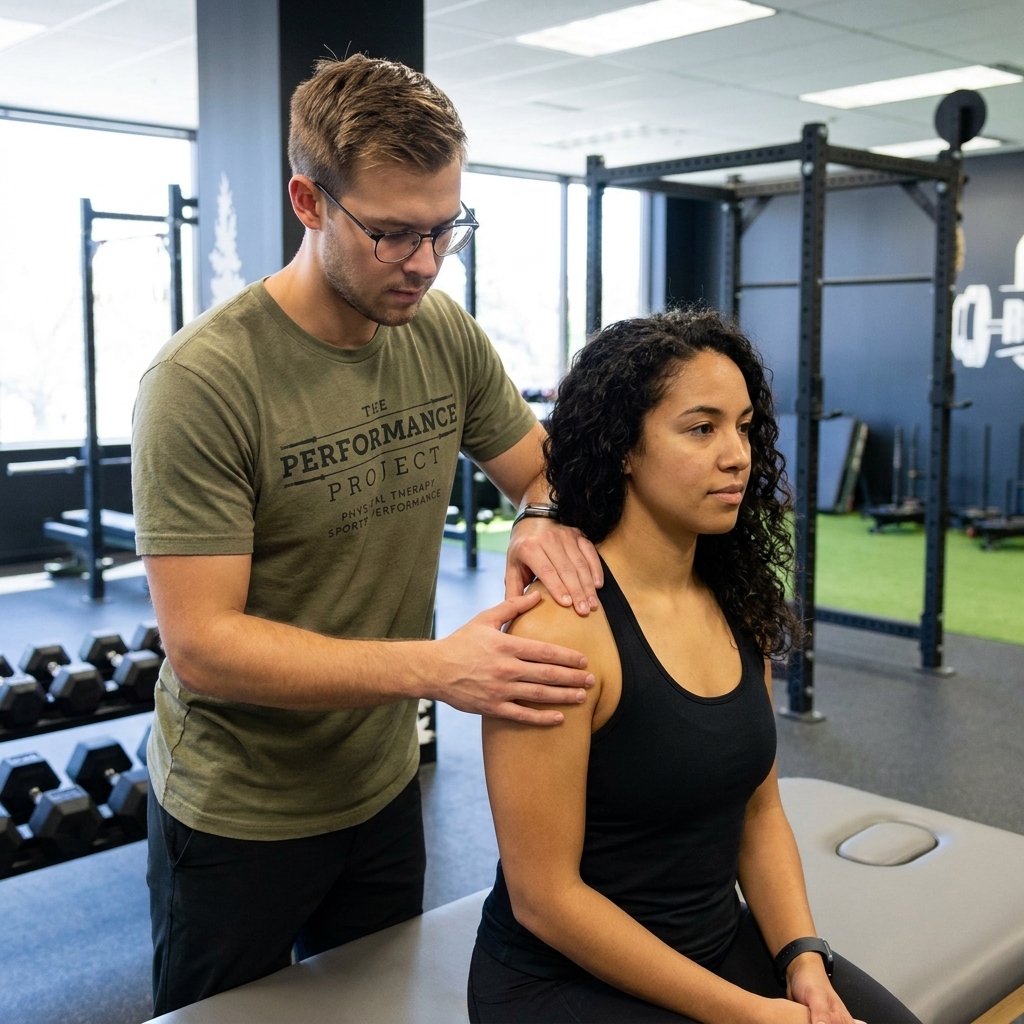
Not every rotator cuff tear requires surgical repair. Through targeted manual therapy, soft tissue mobilization, and progressive strengthening of the surrounding shoulder stabilizers, it is possible to restore function and reduce pain without going under the knife.
Knee Pain and Meniscus Injuries
Customized loading programs and stability training can help manage knee irritation and support a return to high-impact activities like running or lifting. Many patients with meniscus injuries find meaningful relief through conservative care alone.
Low Back Pain and Sciatica
Spinal surgery is typically considered a last resort, and for good reason. Approaches such as joint mobilization, core strengthening, and targeted therapeutic exercise can relieve nerve pressure and address chronic back pain at its source.
Hip Pain and Impingement
Conditions like hip impingement (FAI) and labral irritation often respond well to movement retraining and manual therapy. Improving hip mechanics and surrounding muscle strength can significantly reduce pain and restore range of motion.
Tendinopathy and Overuse Injuries
Conditions like Achilles tendinopathy, IT band syndrome, and plantar fasciitis are frequently overtreated. A structured loading and recovery program, combined with modalities such as dry needling or IASTM, can resolve these issues without surgical intervention.
Pelvic Floor Physical Therapy: A Non-Surgical Option for Women
For women in prenatal or postpartum stages, physical changes can lead to conditions that are often mismanaged or dismissed. Issues like diastasis recti and stress incontinence are frequently presented as things to simply live with or eventually address through surgery. That does not have to be the case.
Specialized pelvic health physical therapy offers a highly effective, non-surgical path to recovery. Working one-on-one with a physical therapist, patients can re-educate the pelvic floor and deep core muscles to handle the demands of daily life and exercise. Whether the goal is healing abdominal separation or reducing bladder leakage, pelvic floor therapy can help restore function without invasive procedures.
What a Physical Therapy Plan at The Performance Project Looks Like
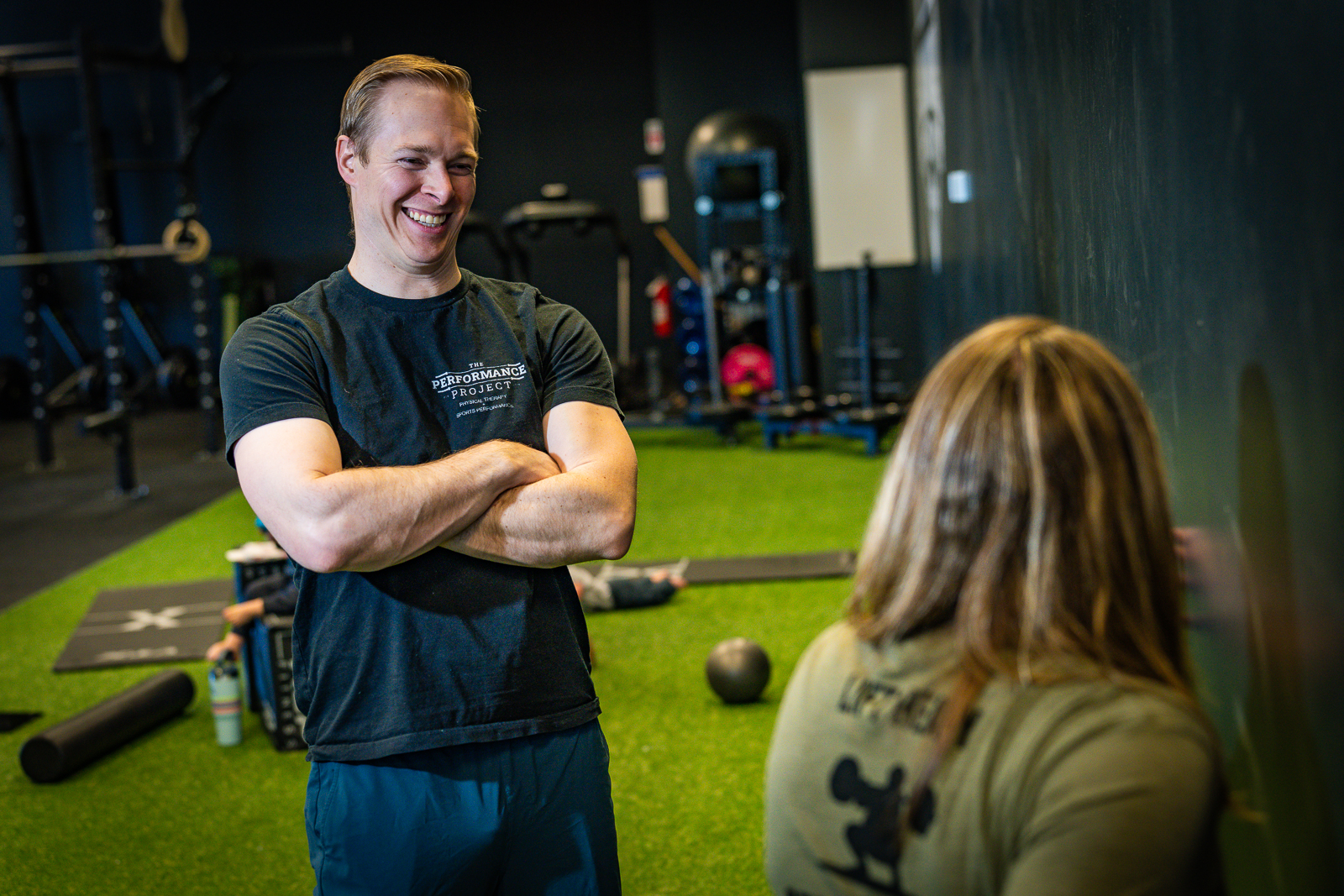
At The Performance Project, care is delivered one-on-one with a Doctor of Physical Therapy. There are no generic protocols and no hand-offs to assistants. Every plan is built around your specific condition, movement patterns, and goals.
A typical course of care moves through three phases.
Relieve
The first priority is reducing pain and improving tissue mobility. Advanced hands-on techniques, including dry needling, IASTM (instrument-assisted soft tissue mobilization), cupping, myofascial release, and joint mobilization, are used to calm the system and create the conditions for healing.
Resolve
Once pain is better managed, the focus shifts to understanding why the injury happened. Tools like a movement screen and running gait analysis help identify the underlying mechanics contributing to the problem, so the plan can address the actual source rather than just the symptoms.
Build
The final phase is about performance and resilience. Sport-specific programming, strength and conditioning, and progressive loading ensure your body is prepared to handle the demands of your sport or lifestyle, not just survive them.
When Surgery Is the Right Choice
Conservative care is a powerful first step, but surgery does have its place. In cases of severe trauma, progressive neurological deficits, or complete ligament ruptures that compromise joint stability beyond what muscle can support, surgery may be the most appropriate course of action.
For the vast majority of musculoskeletal, sports, and pelvic health conditions, however, a dedicated course of physical therapy should be the first line of defense. And even when surgery is eventually necessary, completing a prehab program beforehand has been shown to improve post-surgical outcomes and speed up recovery.
Take the First Step Toward a Non-Surgical Recovery
If you have been told that surgery is your only option, it may be worth exploring what conservative care can do first. At The Performance Project in Centennial, CO, we are committed to helping you find a path back to the active life you want, without unnecessary procedures.
Reach out today to schedule a consultation and find out whether physical therapy is the right next step for you.