
If you are currently sidelined by a nagging injury or persistent pain, the first question on your mind is likely how soon you can get back to your life. Whether you are a runner managing Achilles tendinopathy or a CrossFit athlete frustrated by shoulder impingement, recovery timelines matter. At The Performance Project in Centennial, CO, the goal is never a quick fix that fails two weeks later. The focus is on a recovery that lasts.
Understanding what shapes your physical therapy timeline helps you set realistic expectations and stay motivated through the process. While every body is different, specific variables consistently influence how quickly you will see results.
The Key Factors That Shape Your Recovery Timeline
Your recovery speed is not arbitrary. It is driven by physiological and behavioral factors that are assessed during your initial evaluation at The Performance Project. Identifying these early allows for a plan that moves as efficiently as your body allows.
- Injury severity and type: A mild ankle sprain will naturally resolve faster than chronic sciatica or a post-surgical ACL reconstruction. The more complex the tissue damage, the more time the biological healing process requires.
- Individual healing capacity: Age, nutrition, and sleep quality all influence cellular repair. Tissues supported by a healthy lifestyle often respond more readily to treatment.
- Adherence to your plan: This is the factor most within your control. Consistency with your home exercise program and attending scheduled sessions directly correlates with faster outcomes.
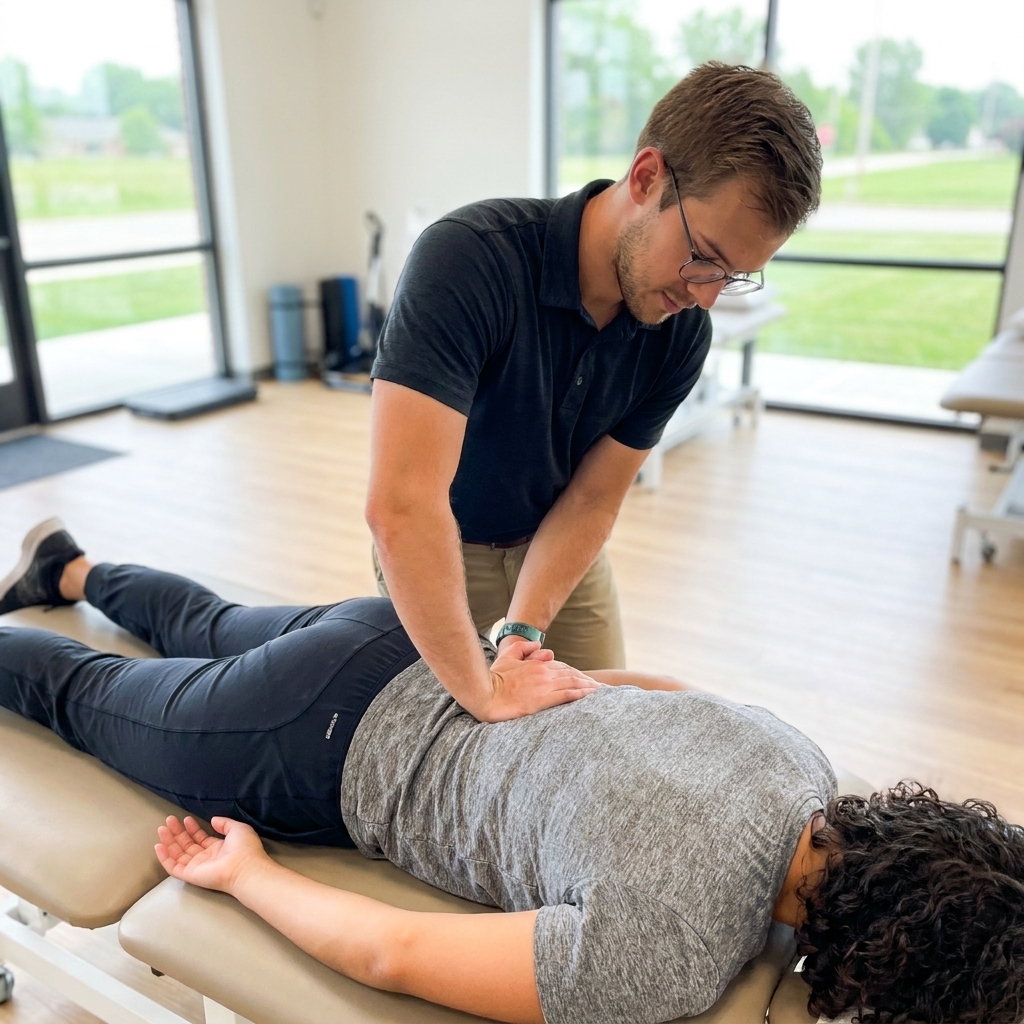
- Therapeutic approach: The tools used in your sessions matter. Techniques such as dry needling, IASTM, joint mobilization, and myofascial release are used to address tissue restrictions and accelerate the body's natural healing response.
Typical Physical Therapy Timelines for Common Injuries
While every plan is individualized, general timelines for common conditions can provide a helpful baseline. The Performance Project focuses on addressing root causes rather than managing symptoms, which helps move patients through these phases more efficiently.
Low Back Pain and Sciatica
Low back pain is one of the most common reasons patients seek care in Centennial. For acute cases, most patients experience significant relief and functional improvement within 2 to 6 weeks of consistent treatment. Chronic low back pain or sciatica involving nerve irritation may require 6 to 12 weeks of care.
During this period, manual therapy is used to reduce neural tension and tissue restriction, followed by a progressive transition into stability and strength work to support long-term results.
Knee and Shoulder Rehabilitation
Joint injuries typically require a more progressive approach. Overuse conditions such as runner's knee or shoulder impingement often show substantial improvement within 4 to 8 weeks. Post-surgical recoveries, including rotator cuff repair or meniscus surgery, follow longer protocols that commonly span 3 to 6 months.
This extended timeline ensures the repaired tissue develops the strength and resilience needed to handle the demands of sport or daily activity. Plyometric progressions and return-to-sport training are incorporated as the tissue matures and movement quality improves.
Pelvic Floor Physical Therapy
Pelvic floor physical therapy follows its own distinct timeline. Conditions such as incontinence, diastasis recti, and pelvic pain respond well to neuromuscular retraining. Most patients see meaningful progress within 6 to 10 sessions over a 2 to 3 month period.
By building better coordination and strength in the pelvic core, patients are able to return to lifting, running, and daily activity with greater confidence and without discomfort.
How The Performance Project Approaches Your Recovery
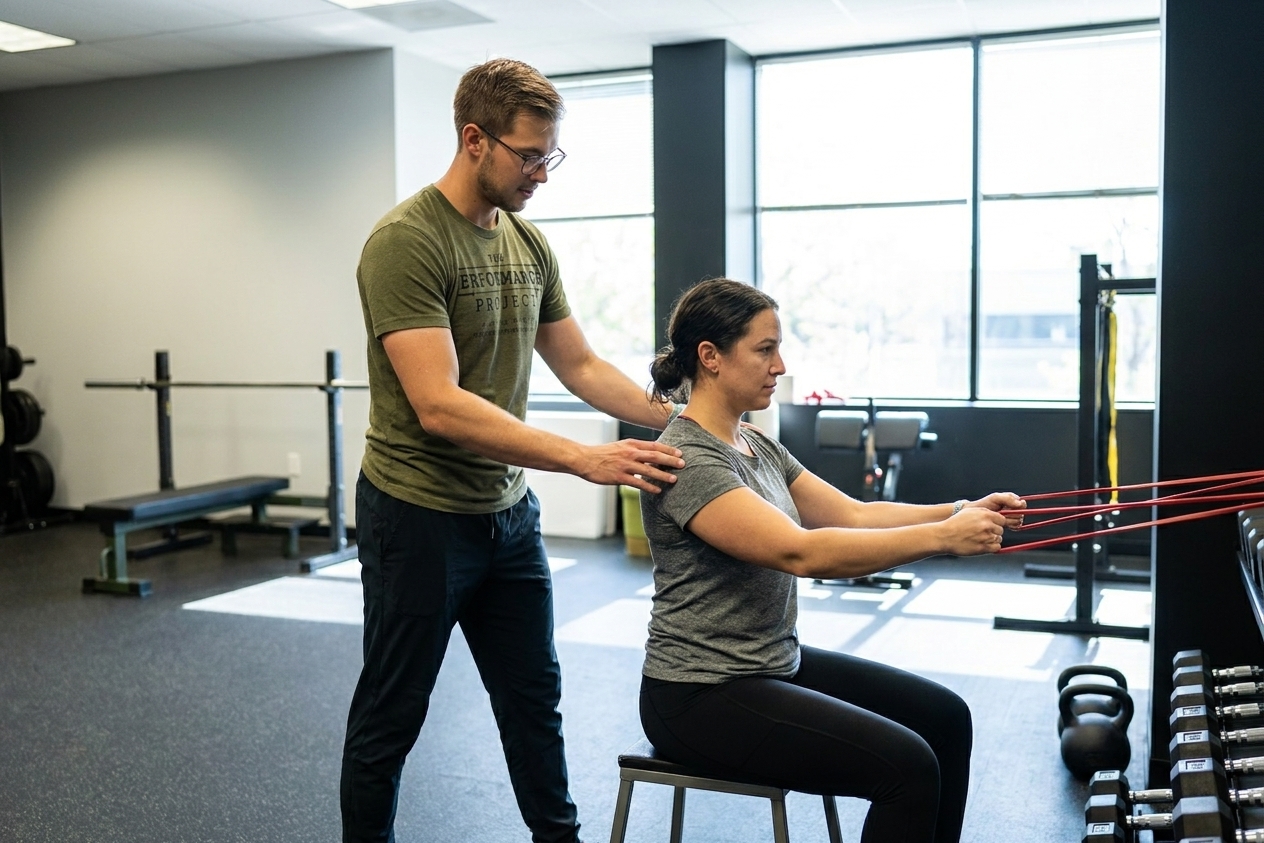
The Performance Project operates on a one-on-one care model. Every session is dedicated entirely to you, ensuring that each minute of treatment is purposeful and productive.
Care is structured around three progressive phases:
- Relieve: Pain is addressed first. Manual therapy, soft tissue mobilization, cupping, and heat or cold therapy are used to reduce discomfort and restore comfortable movement.
- Resolve: The underlying movement compensations or muscle imbalances that contributed to the injury are identified and corrected through therapeutic exercise and targeted strength and conditioning work.
- Build: The final phase focuses on building a more resilient body. For athletes returning to high-intensity training, this includes CrossFit-specific physical therapy and sports performance training designed to prepare you for the demands of your sport.
For runners, a running gait analysis or running form assessment may be incorporated to identify mechanical contributors to injury and reduce the risk of recurrence.
Your Role in Accelerating Recovery
Progress made during your sessions at The Performance Project is reinforced by what you do outside the clinic. Diligently completing your prescribed home exercise program between visits helps consolidate the changes made during manual therapy and movement retraining.
Foundational habits such as staying hydrated, managing stress, and prioritizing sleep also support the nervous system's ability to adapt and heal. When expert clinical guidance is paired with consistent personal effort, outcomes improve significantly.
The goal at The Performance Project is not simply to return you to where you were before the injury. It is to return you to your sport or lifestyle stronger and more capable than before.
Start Your Recovery at The Performance Project in Centennial, CO
If you are ready to understand your personalized recovery timeline and take a structured approach to healing, The Performance Project is here to help. Contact us today to schedule your evaluation and take the first step toward a stronger, more resilient version of yourself.